Marbelite Pools Repairs Erasmusrand Pretoria East
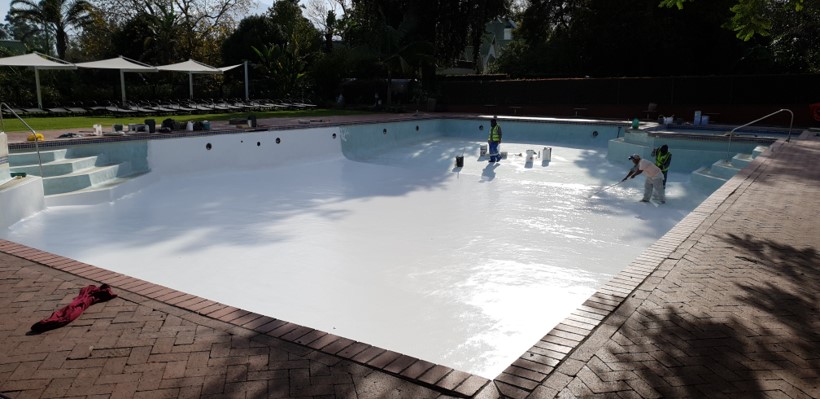
Marbelite is still the most common pool surface across Pretoria East’s older suburbs — Lynnwood, Waterkloof, Faerie Glen and Menlo Park in particular have plenty of pools finished in it, some dating back thirty years or more. It’s a durable, proven finish, but it doesn’t last forever, and understanding roughly where your pool sits in its marbelite lifecycle is the most useful thing we can help a homeowner figure out before spending money on a repair.
How Marbelite Ages
A well-maintained marbelite surface typically lasts somewhere in the region of ten to fifteen years before it needs attention, though water chemistry, usage and original application quality all affect that range considerably. Early signs of ageing are usually cosmetic — the surface feeling slightly rougher underfoot, a duller finish, small surface stains that won’t lift with normal cleaning. Left long enough, roughness progresses to chipping, and chipping eventually exposes the substrate beneath, which is when small cosmetic issues start becoming genuine water-loss and structural concerns.
What Causes Marbelite to Fail Early
Not every marbelite pool makes it the full ten to fifteen years before needing attention — water chemistry is the biggest factor in how much of that lifespan you actually get. Consistently low pH slowly etches the marbelite surface, while poorly balanced chlorine can lead to staining and a rougher texture developing faster than it should. A pool that’s had its chemistry properly managed throughout its life will generally outlast one that’s been left to drift for long stretches between checks, even if both pools are the same age.
Patch Repair vs Full Re-Marbelite
This is the decision most homeowners actually want help with. A patch repair makes sense for an isolated chip or a single damaged area on an otherwise sound surface — quick, relatively inexpensive, and doesn’t disrupt the rest of the pool. A full re-marbelite makes sense once the surface is deteriorating broadly rather than in one spot, once patches have been done more than once or twice in the same general area, or once the pool is due for other work anyway (retiling, plumbing checks) and it makes sense to do everything at once rather than staggering separate jobs. We’ll tell you honestly which category your pool falls into — there’s no benefit to us pushing a full re-marbelite on a pool that only needs a patch.
The Re-Marbelite Process
A full re-marbelite involves draining the pool, chipping back the old surface to a sound substrate, addressing any structural cracks found underneath before they get covered up again, and applying a fresh marbelite layer, cured and finished properly before refilling. It’s a bigger job than a patch — typically the pool is out of action for a period while the new surface cures — but done properly, it resets the clock on both appearance and structural soundness rather than just papering over what’s underneath.
Colour and Finish Options
Marbelite comes in a range of finishes beyond the standard white or light blue-grey most older Pretoria East pools still have — quartz-flecked and pigmented options can noticeably change how a pool looks and reads with the water colour. If you’re doing a full re-marbelite anyway, it’s worth discussing finish options rather than defaulting to matching whatever was there before.
What’s Included
- Assessment of whether a patch or full re-marbelite is the right fit.
- Structural crack repair before resurfacing, where needed.
- Chip and stain patch repairs, colour-matched where possible.
- Full re-marbelite including substrate preparation and curing.
- Waterline tile check and repair alongside resurfacing work.
Common Questions
How do I know if my pool needs a patch or a full re-marbelite?
If the problem is isolated to one area and the rest of the surface is sound, a patch is usually enough. If roughness, staining or chipping is spread across the pool, or patches keep reappearing, a full re-marbelite tends to be the more sensible long-term option.
How long does a re-marbelite take?
It depends on pool size and curing conditions, but expect the pool to be unavailable for a period covering draining, resurfacing and proper cure time before refilling — we’ll give you a realistic schedule for your specific pool.
Can you repair marbelite without draining the whole pool?
Small, isolated patches above the waterline sometimes can be, but most structural or below-waterline repairs need the pool drained to do properly.
Will re-marbelite fix a leak?
Only if the leak is coming from the surface itself — a genuine leak should still be traced with proper leak detection first, since resurfacing over an unidentified leak won’t solve it.
How often should marbelite pools be resurfaced?
There’s no fixed schedule — it depends on water chemistry management and usage — but most well-maintained marbelite pools in Pretoria East need attention somewhere in the ten-to-fifteen-year range.
Where We Do Marbelite Pool Repairs
Marbelite repair and resurfacing make up a large part of our work across Pretoria East’s older suburbs — Lynnwood, Waterkloof, Faerie Glen and Menlo Park especially, where the majority of pools are still finished in marbelite.
Book a Marbelite Assessment
Call or WhatsApp +27 78 348 9627 and we’ll help you work out whether your pool needs a patch or a full re-marbelite before quoting either.
Our Services
Need help?
314 Wynandskraal Street, Erasmusrand, Pretoria, 0165, South Africa
Tel: +27783489627
Email: dynamickel@gmail.com